





Préparez votre visite
À votre arrivée
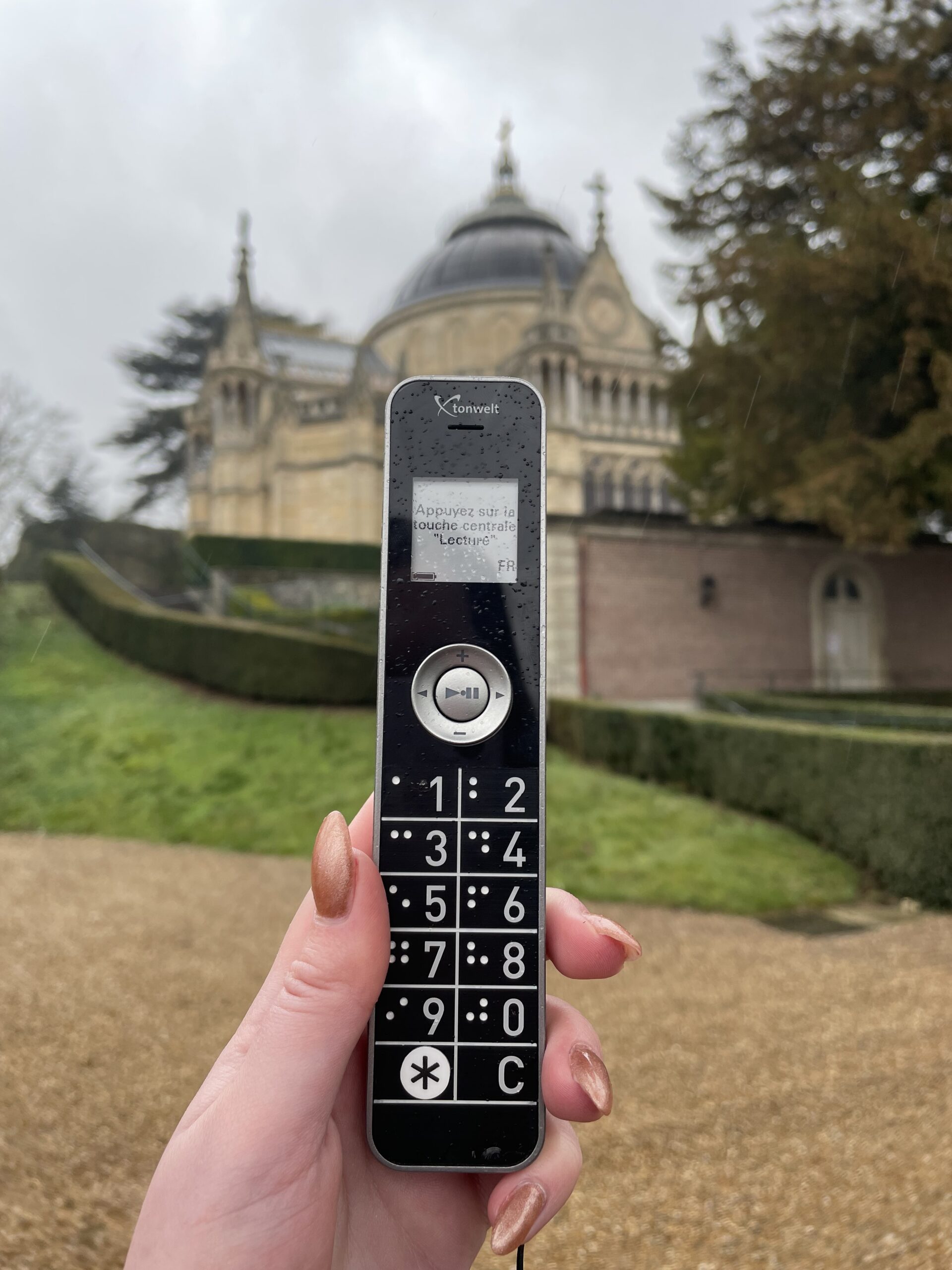
Lors de votre venue au domaine de la chapelle royale de Dreux, vous effectuez votre visite en autonomie avec le plan illustré et l’audioguide, inclus dans le prix d’entrée.
01/04- 30/04
9h30-12h3013h30-17h30
LAISSEZ VOUS GUIDER PAR NOS AUDIOGUIDES. DÉCOUVREZ LE DOMAINE DE MANIÈRE LUDIQUE.
Tarifs
Gratuit pour les enfants de moins de 7 ans
Nous proposons des tarifs spéciaux pour les personnes en situation de handicap, les drouais, les enseignants et demandeurs d’emploi sur justificatif.
Venir au domaine royal
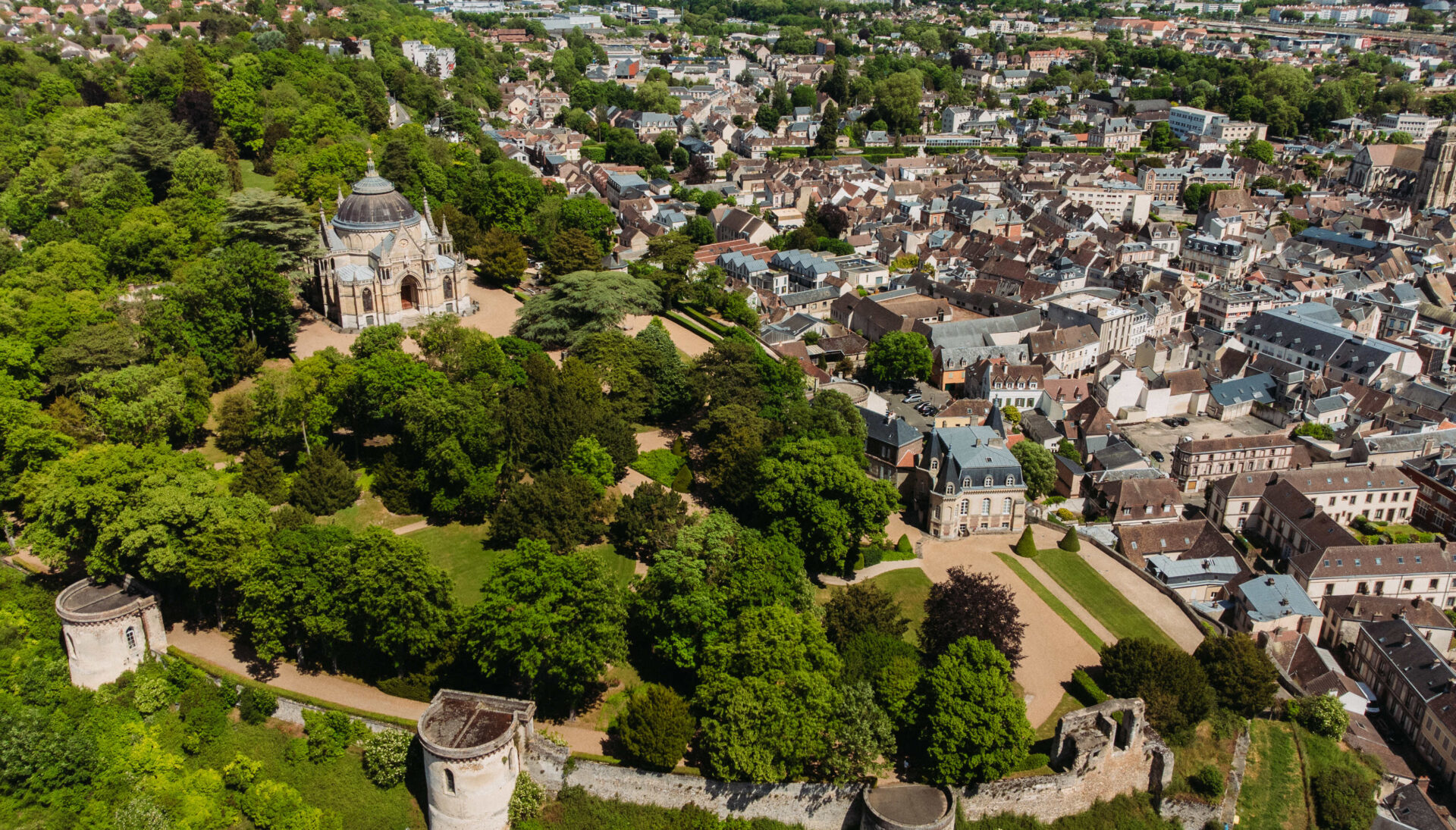
Le domaine royal est situé dans le centre-ville de Dreux (28100). On y accède par la Rue de Billy, puis par la Rue de Penthièvre qui vous mène jusqu’à une zone de stationnement gratuite située à proximité immédiate de l’entrée du monument.
Préparez votre voyage


Le Mans
1h50
4h30
Paris
1h15
1h32
Rouen
1h24
3h28
Orléans
1h48
3h45
Actus, Agenda & Magazine
Agenda
Samedi 1er et Dimanche 02 juin 2024
Visites thématiques
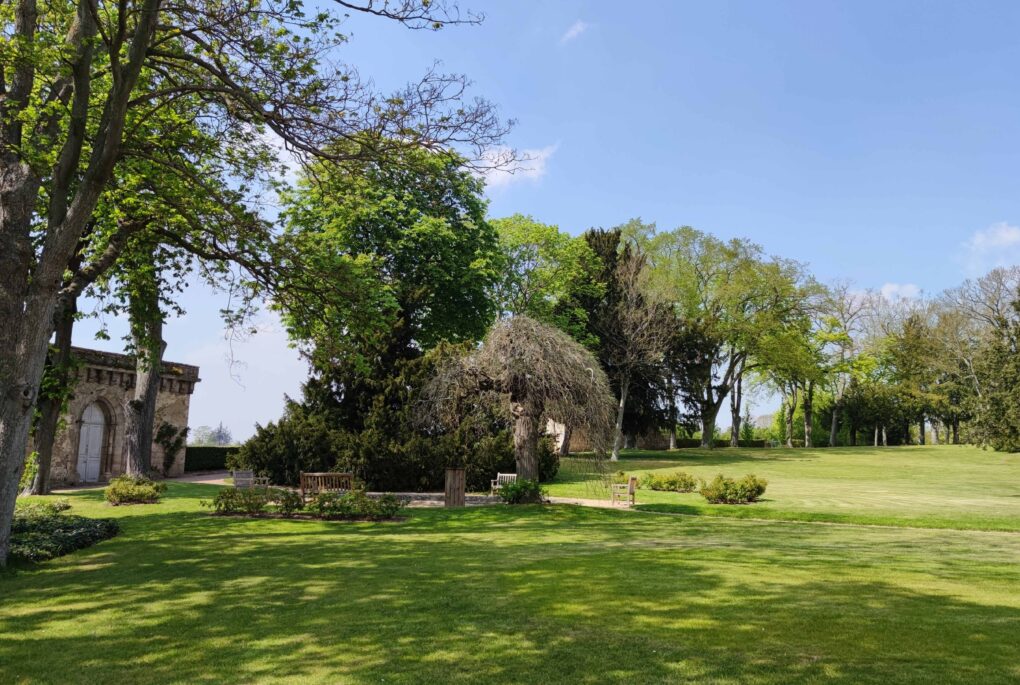
Rendez-vous aux jardins

Agenda
Samedi 14 décembre à 18h00
Nocturne drouaise

Agenda
Samedi 28 septembre à 20h00
Concert de gospel – Soul Voices

Agenda
Samedi 21 et Dimanche 22 septembre
Journées Européennes du Patrimoine

Agenda
Samedi 20 et Dimanche 21 juillet 2024
Festival Au fil des siècles
Agenda
Samedi 1er et Dimanche 02 juin 2024
Rendez-vous aux jardins

Actualités